
Add Row
Add Element
cropper
update
update
Add Element
  • Home
  • Categories
    • Ask Stan
    • Fire Safety For Children
  • All Posts
  • Ask Stan
  • Fire Safety For Children
January 27.2026
1 Minute Read

Teaching Fire Safety for Kids With Magic: A Playful Approach to Life-Saving Lessons

“A group of preschoolers gasps as a flame ‘disappears’ into thin air. The real trick isn’t the magic. It’s embedding fire safety for life.”

Early awareness is crucial—but how do we make sure these life-saving lessons stick? By teaching fire safety for kids with magic, educators are transforming serious safety concepts into enchanting experiences that children absorb with joy instead of fear
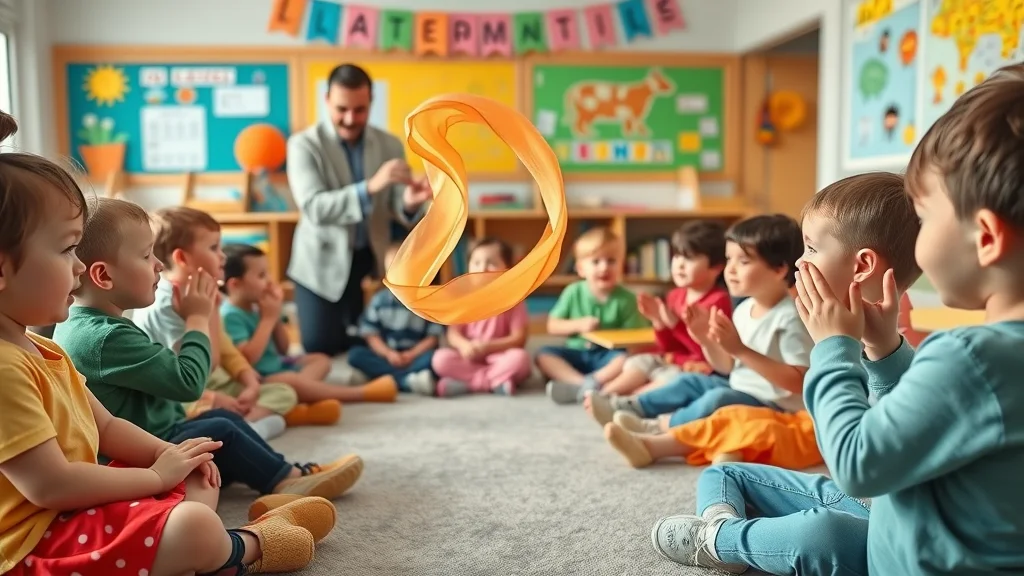
teaching fire safety for kids with magic, classroom magician with preschoolers watching a vanishing flame trick

What You’ll Learn About Teaching Fire Safety for Kids With Magic

  • Why early childhood fire safety awareness saves lives

  • How magic-based teaching transforms learning fire safety through play

  • Real-world fire safety activities for kids to try

  • Ways daycare fire safety can become fun and effective

  • Expert perspectives on fire safety education for preschoolers

Why Fire Safety Education Must Start Early

  • The vulnerabilities of young children to fire-related accidents

  • How daycare fire safety creates safer group environments

  • Building lifelong safety habits through repetition and play

  • Overcoming fear-based approaches in early fire safety for kids

The reality of fire safety for kids starts with recognizing young children's natural curiosity and their underdeveloped sense of risk. In the vibrant setting of a daycare or preschool, group dynamics, busy routines, and shared spaces can amplify the chances of accidents if fire safety isn't made a priority. The unpredictability of a fire set in a crowded environment, coupled with limited adult supervision at times, makes unintentional mishaps more likely. Early childhood fire safety awareness isn’t just a recommendation—it’s a life-saving imperative.

Daycare fire safety stands out as both a challenge and an opportunity. When adults reinforce fire safety and prevention as play, these lessons become concrete for children. For instance, repeating safety cues or using playful role-plays supports the learning process, helping kids love a good routine that eventually becomes second nature. However, research and experienced educators agree: traditional scare tactics—like showing images of burning homes—can increase anxiety and disengage children. Effective fire safety education for preschoolers harnesses play and repetition, building habits without instilling fear. This positive, proactive approach is how we teach fire safe behavior and empower children to stay safe for life.

Comparison of Traditional vs. Magic-Based Teaching Fire Safety for Kids

Traditional Method

Magic-Based Approach

Lectures and repetitive drills

Interactive magic demonstrations

Fear-based images and stories

Imaginative, playful illusions

Abstract rules that are hard to visualize

Rules illustrated by concrete magic tricks

Children may lose interest

Captures kids’ curiosity and engagement

Limited emotional safety

Emotional engagement without fear

Why Traditional Fire Safety Lessons Don’t Always Work for Kids

  • Shortcomings of lectures and repetitive drills in fire safety education for preschoolers

  • Risks of anxiety from graphic or fear-based fire safe imagery

  • Challenges with abstract fire safety rules for the youngest learners

  • Research showing the benefits of learning fire safety through play

Traditional fire safety programs often involve lectures, repetitive fire drills, and poster presentations. However, for young children, attention spans are limited, and lengthy explanations can seem like just another routine—hardly inspiring retention or excitement. Kids love discovery and participation, but watching a teacher hold up a fire safe poster can quickly lose steam, resulting in fidgeting or boredom rather than real learning. Even when educators tie lessons to picture books, the absence of active engagement means students remember little after the activity ends.

Moreover, fear-based fire safety campaigns—showing images of flames, burned objects, or rushing firefighters—can actually have a negative impact. Not only do such visuals risk causing anxiety, but they might also deter children from responding confidently in emergencies. Abstract rules like “don't play with matches” can feel meaningless unless tied to concrete experience. Fortunately, research shows that fire safety and prevention taught through play—where kids interact, explore, and “solve mysteries”—leads to far better attention and recall. An experiential approach transforms the learning process so every student has a chance to internalize what it means to stay fire safe.
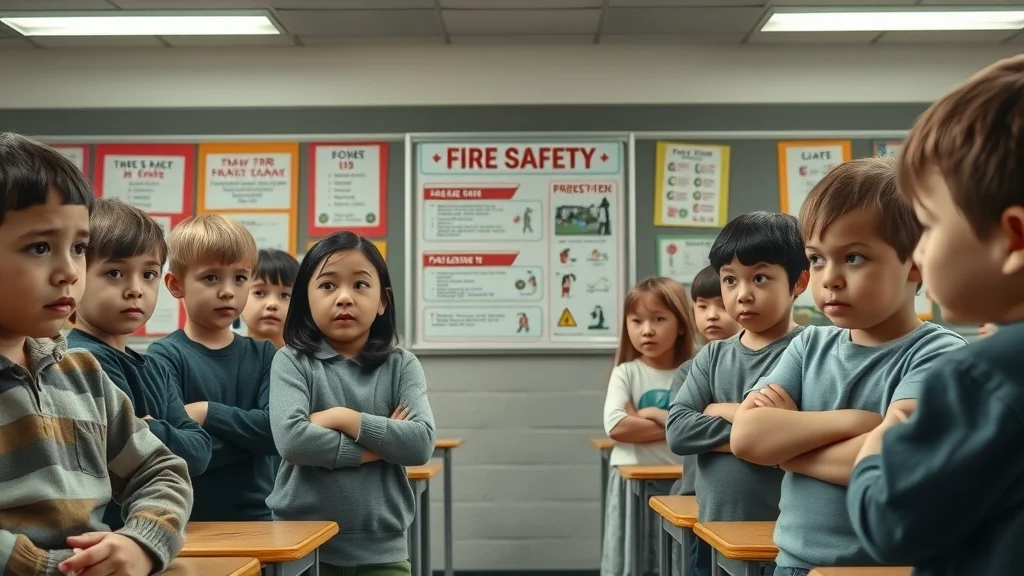
Children bored and anxious during traditional fire safety lesson with posters

How Magic Helps Children Learn Fire Safety

  • Capturing attention with mystery and wonder during teaching fire safety for kids with magic

  • Boosting memory retention through magical surprises

  • Transforming safety rules into memorable stories using magic

  • Engaging emotions without fear through fire safety activities for kids

The magic of teaching fire safety for kids with magic is not simply about sleight of hand; it’s about unlocking wonder so that vital lessons lodge in memory. Young children are naturally drawn to mystery. When a flame “disappears,” a match “vanishes,” or a silk scarf transforms color, children’s attention is captivated in a way that lectures can’t compete with. Incorporating strolling magic and simple illusions into safety programs means children are actively drawn into the learning process instead of passively watching from the sidelines.

Surprise also turbocharges recall. Every magical moment—a vanish, color change, or sudden appearance—serves as a memory cue that links directly to fire safety and prevention. Suddenly, “Stop, Drop, and Roll” isn’t just a phrase. It’s a magical movement or chant that brings the rules to life. Magic-based approaches encourage kids to participate through call-and-response, movement, and group demonstrations. This sensory immersion transforms safety programs into experiences, not just events—making it far more likely that students remember what to do during a fire at school or home. It’s play, but with a purpose, as emphasized by many fire departments and early childhood education experts alike.

7 Magical Activities for Teaching Fire Safety to Kids

  1. The Disappearing Flame: Teaching kids that fire can “go away” safely through a visual vanish, reinforcing the idea that fire isn’t magic, but it can be controlled by following rules.

  2. Smoke Prop Magic: Using color-changing scarves or props to show how smoke can fill a room and why crawling low is safer during a smoke emergency.

  3. Vanishing Matches: A trick where matches “disappear,” helping kids understand that these items are not toys and should always be kept out of reach.

  4. Call-and-Response Magic Phrases: Using magical words or rhymes to help kids memorize emergency rules and safety cues—turning important instructions into fun group chants.

  5. Crawling Low Illusions: Visual magic that demonstrates why escaping under the smoke makes sense, with playful props or tunnels.

  6. Stop, Drop, and Roll Trick: Turning the classic fire safety drill into a cooperative magic act—perhaps with scarves changing color as kids move through each step.

  7. Magic Number Game: Practicing how (and when) to call for help—with magic cues and number-revealing tricks to anchor emergency numbers.

These fire safety activities for kids aren’t just visually engaging—they’re aligned with best-practices in fire prevention and fire safety education for preschoolers. Kids love the involvement, and educators find that even those with the shortest attention spans become active participants. Each activity blends magic, movement, and meaning, turning important fire safe lessons into group adventures that stay with children long after the show—and the smoke—has cleared.

Preschool children and educator performing stop drop and roll as a magic trick, teaching fire safety for kids with magic

Watch: Demonstration: Using Magic Tricks to Reinforce Fire Safety Tips in Classrooms
(Video content: Qualified educator demonstrating three simple magic tricks that reinforce fire safety tips for preschool and daycare children.)

Fire Safety Tips for Kids That Magic Makes Memorable

  • Stop, Drop, and Roll – learned with magical movement cues to turn practice into play

  • Don’t Hide From Firefighters – using the “appearing helper” trick to show first responders are friends

  • Crawl Low Under Smoke – explaining the science and importance of this rule with engaging magic props

  • Never Touch Matches or Lighters – teaching the message through vanish acts and interactive games

  • How and When to Call for Help – magical number games reinforce emergency numbers and when to use them

When fire safety is taught with magic, the result is a set of rules that aren't just learned—they’re lived. Kids love a good chant or magic phrase. “Stop! Drop! Roll!” becomes a rhyme with matching motions, and the idea of “don’t hide” is made tangible with a helper who appears magically to bring comfort. Incorporating these tricks into lessons transforms the abstract into the practical, training kids to stay safe without causing stress or fear.

For many children, activities like these not only reinforce fire safety but also boost confidence. They empower kids to act decisively, whether it’s crawling low under smoke (brought to life with special effects) or practicing calling for help. For parents and teachers, knowing these lessons are truly memorable provides reassurance that, should an emergency arise, children will have the instincts and knowledge to protect themselves and others.
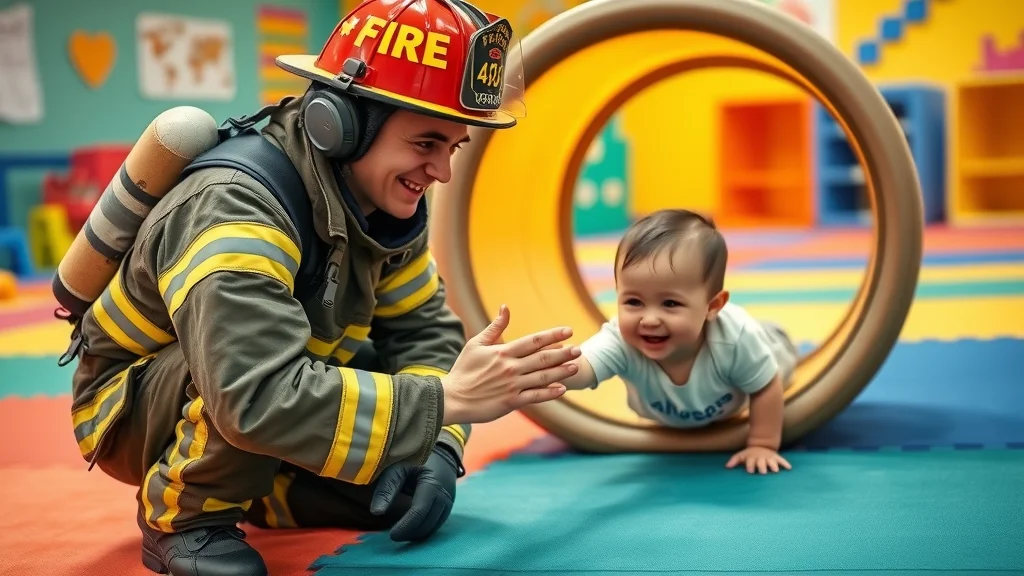
Firefighter in full gear helping child through fire safety activity in daycare, teaching fire safety for kids with magic

How Teaching Fire Safety for Kids With Magic Fits in Daycare and Early Learning

  • Adapting fire safety education for preschoolers and daycare settings

  • Benefits for short attention spans and active learners

  • Reinforcement of fire department messages in group settings

  • Integrating fire safety activities into scheduled safety weeks

Daycares and preschools need fire safety education programs that are as agile and energetic as the children they serve. The beauty of teaching fire safety for kids with magic is its universal appeal—magic transcends language barriers, skill levels, and even attention span differences. Whether it’s “circle time” or a special fire safety week, magic-based activities fit seamlessly into daily routines, group assemblies, and even birthday celebrations (where a birthday child can be the day’s magic “helper”).

Experienced educators say this method is especially effective in managing large, mixed-age groups. Magic tricks invite participation from the bravest and the shiest alike, and everyone in the room becomes a part of reinforcing essential fire safe rules. Collaborating with fire departments for onsite visits—where a firefighter plays along in a magic act—can deepen the impact and remind kids that help is always near. By integrating age-appropriate magic-based lessons into regular programming, daycares actively support a culture of safety and prevention alongside play.

Magic is more than entertainment—it’s a bridge to understanding. Playful learning ensures every child remembers crucial fire safety.
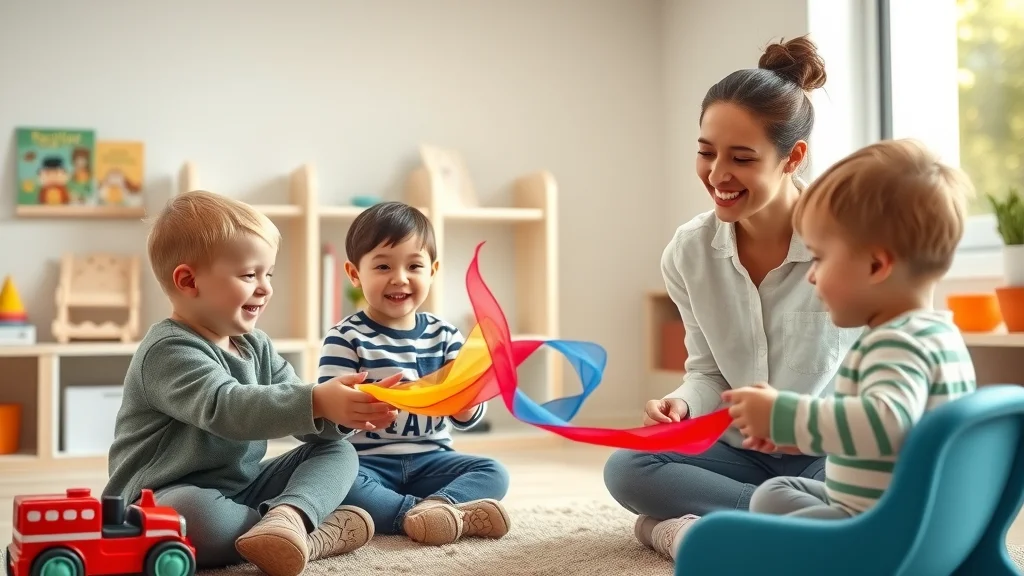
Children playing fire-safety magic game with teacher in daycare, teaching fire safety for kids with magic

Expert Perspectives: Magic, Memory, and Fire Safety for Kids

  • Insights from early childhood educators on playful fire safety lessons

  • Supporting research on experiential education and fire safety for kids

  • Fire department advocacy for child-friendly fire safety methods

Many educators agree: Experiential education is where kids love a good challenge, especially when play is at the learning core. Early childhood teachers who have integrated magic-based fire safety activities notice immediate engagement and improved retention. One preschool director shares, “Children remember the lessons because they lived them. When Turbo the Turtle ‘vanished’ in a puff of colored smoke, our kids couldn’t stop talking about why you crawl under smoke in a fire.”

Supporting research in educational psychology confirms that movement, surprise, and storytelling activate multiple pathways in the brain, locking in fire safe behaviors far better than lecture-based safety programs. Fire departments increasingly recommend hands-on learning: “When we work with schools that use magic tricks, both the children and the staff become more confident in their emergency responses,” notes a local fire marshal who conducts programs that include age-appropriate magic, picture books, and high energy interactive comedy. These methods are admired and appreciated for making safety programs as memorable as they are effective.

Key Fire Safety Rules and Matching Magic Activities for Kids

Fire Safety Rule

Magic Activity

Stop, Drop, and Roll

Magic scarf changes color with every motion

Don’t Hide from Firefighters

“Appearing helper” trick with volunteer in gear

Never Touch Matches

Vanishing matches illusion

Crawl Low Under Smoke

Colored smoke prop and tunnel game

Remember Emergency Numbers

“Magic Number” reveal game

Watch: Expert Q&A: Firefighters and Educators Discuss Teaching Fire Safety for Kids With Magic
(Video content: Local firefighters and early education experts answer your top questions about using magic tricks to teach fire safety in preschools and daycares.)

People Also Ask: Teaching Fire Safety for Kids With Magic

What are the 4 P's of fire safety?

  • Prevention – Magic reveals how hazards appear and disappear.

  • Preparation – Magical role-play builds emergency readiness.

  • Protection – Fun tricks teach kids to safeguard themselves.

  • Practice – Repeated magical activities anchor habits.

What are the 5 E's of fire safety?

  • Education – Magic hooks kids’ attention for vital lessons.

  • Engineering – Special props show safety tools at work.

  • Enforcement – Rules become memorable when paired with tricks.

  • Emergency Response – Roleplay with magic cues helps kids act fast.

  • Evaluation – Fun activities reinforce what children recall.

How do you teach kids about fire safety?

  • Combine age-appropriate magic tricks with hands-on activities.

  • Use call-and-response with magical phrases to remember emergency rules.

  • Incorporate roleplay, stories, and illusions to avoid fear.

What are the 3 P's of fire safety?

  • Prevent – Magical disappearing acts for risky items.

  • Plan – Give kids the superhero role in magical fire drills.

  • Practice – Repeat magical safety routines regularly.

Parent and child practicing a fire safety magic trick at home, teaching fire safety for kids with magic

FAQs: Teaching Fire Safety for Kids With Magic

  • Are magic fire safety activities safe for very young children?
    Yes. All fire safety magic activities are designed to be completely safe, using props like scarves, colored smoke, and safe imitation flames. Tricks are always non-flammable, hands-on, and supervised to minimize risk and maximize fun.

  • Do magic-based lessons need special equipment?
    Not necessarily. Simple props like scarves, tunnels, and color cards can be used. Most tricks are low-cost and easy to make or buy, ensuring that any classroom or daycare can participate with minimal resources.

  • How can caregivers reinforce magical fire safety tips at home?
    Caregivers can turn home drills into mini magic shows, create rhymes, or use favorite toys to play out fire safety steps. Many picture books now include magic-inspired prompts for continued learning.

  • Can magic be adapted for children with special needs?
    Absolutely. Magic-based lessons can be tailored to suit different abilities by adjusting the pace, simplifying language, and using props with multisensory appeal for greater accessibility.

Key Takeaways on Teaching Fire Safety for Kids With Magic

  • Start fire safety education early to build lifelong habits.

  • Magic transforms fire safety lessons into memorable experiences.

  • Play-based teaching improves attention and recall.

  • This approach works across daycare and preschool settings.

Empower Young Learners: Bring Teaching Fire Safety for Kids With Magic to Your Classroom Today

From daycares to homes, magic creates playful, positive learning moments that last. Give your students the life-saving knowledge they need—through wonder, imagination, and play—by bringing teaching fire safety for kids with magic into your early childhood program.

Fire Safety For Children

0 Comments

Write A Comment

*
*
Related Posts All Posts
01.20.2026

Teaching Fire Safety for Kids With Magic: A Playful Approach to Life-Saving Lessons

“A group of preschoolers gasps as a flame ‘disappears’ into thin air. The real trick isn’t the magic. It’s embedding fire safety for life.”Early awareness is crucial—but how do we make sure these life-saving lessons stick? By teaching fire safety for kids with magic, educators are transforming serious safety concepts into enchanting experiences that children absorb with joy instead of fear What You’ll Learn About Teaching Fire Safety for Kids With MagicWhy early childhood fire safety awareness saves livesHow magic-based teaching transforms learning fire safety through playReal-world fire safety activities for kids to tryWays daycare fire safety can become fun and effectiveExpert perspectives on fire safety education for preschoolersWhy Fire Safety Education Must Start EarlyThe vulnerabilities of young children to fire-related accidentsHow daycare fire safety creates safer group environmentsBuilding lifelong safety habits through repetition and playOvercoming fear-based approaches in early fire safety for kidsThe reality of fire safety for kids starts with recognizing young children's natural curiosity and their underdeveloped sense of risk. In the vibrant setting of a daycare or preschool, group dynamics, busy routines, and shared spaces can amplify the chances of accidents if fire safety isn't made a priority. The unpredictability of a fire set in a crowded environment, coupled with limited adult supervision at times, makes unintentional mishaps more likely. Early childhood fire safety awareness isn’t just a recommendation—it’s a life-saving imperative.Daycare fire safety stands out as both a challenge and an opportunity. When adults reinforce fire safety and prevention as play, these lessons become concrete for children. For instance, repeating safety cues or using playful role-plays supports the learning process, helping kids love a good routine that eventually becomes second nature. However, research and experienced educators agree: traditional scare tactics—like showing images of burning homes—can increase anxiety and disengage children. Effective fire safety education for preschoolers harnesses play and repetition, building habits without instilling fear. This positive, proactive approach is how we teach fire safe behavior and empower children to stay safe for life.Comparison of Traditional vs. Magic-Based Teaching Fire Safety for KidsTraditional MethodMagic-Based ApproachLectures and repetitive drillsInteractive magic demonstrationsFear-based images and storiesImaginative, playful illusionsAbstract rules that are hard to visualizeRules illustrated by concrete magic tricksChildren may lose interestCaptures kids’ curiosity and engagementLimited emotional safetyEmotional engagement without fearWhy Traditional Fire Safety Lessons Don’t Always Work for KidsShortcomings of lectures and repetitive drills in fire safety education for preschoolersRisks of anxiety from graphic or fear-based fire safe imageryChallenges with abstract fire safety rules for the youngest learnersResearch showing the benefits of learning fire safety through playTraditional fire safety programs often involve lectures, repetitive fire drills, and poster presentations. However, for young children, attention spans are limited, and lengthy explanations can seem like just another routine—hardly inspiring retention or excitement. Kids love discovery and participation, but watching a teacher hold up a fire safe poster can quickly lose steam, resulting in fidgeting or boredom rather than real learning. Even when educators tie lessons to picture books, the absence of active engagement means students remember little after the activity ends.Moreover, fear-based fire safety campaigns—showing images of flames, burned objects, or rushing firefighters—can actually have a negative impact. Not only do such visuals risk causing anxiety, but they might also deter children from responding confidently in emergencies. Abstract rules like “don't play with matches” can feel meaningless unless tied to concrete experience. Fortunately, research shows that fire safety and prevention taught through play—where kids interact, explore, and “solve mysteries”—leads to far better attention and recall. An experiential approach transforms the learning process so every student has a chance to internalize what it means to stay fire safe. How Magic Helps Children Learn Fire SafetyCapturing attention with mystery and wonder during teaching fire safety for kids with magicBoosting memory retention through magical surprisesTransforming safety rules into memorable stories using magicEngaging emotions without fear through fire safety activities for kidsThe magic of teaching fire safety for kids with magic is not simply about sleight of hand; it’s about unlocking wonder so that vital lessons lodge in memory. Young children are naturally drawn to mystery. When a flame “disappears,” a match “vanishes,” or a silk scarf transforms color, children’s attention is captivated in a way that lectures can’t compete with. Incorporating strolling magic and simple illusions into safety programs means children are actively drawn into the learning process instead of passively watching from the sidelines.Surprise also turbocharges recall. Every magical moment—a vanish, color change, or sudden appearance—serves as a memory cue that links directly to fire safety and prevention. Suddenly, “Stop, Drop, and Roll” isn’t just a phrase. It’s a magical movement or chant that brings the rules to life. Magic-based approaches encourage kids to participate through call-and-response, movement, and group demonstrations. This sensory immersion transforms safety programs into experiences, not just events—making it far more likely that students remember what to do during a fire at school or home. It’s play, but with a purpose, as emphasized by many fire departments and early childhood education experts alike.7 Magical Activities for Teaching Fire Safety to KidsThe Disappearing Flame: Teaching kids that fire can “go away” safely through a visual vanish, reinforcing the idea that fire isn’t magic, but it can be controlled by following rules.Smoke Prop Magic: Using color-changing scarves or props to show how smoke can fill a room and why crawling low is safer during a smoke emergency.Vanishing Matches: A trick where matches “disappear,” helping kids understand that these items are not toys and should always be kept out of reach.Call-and-Response Magic Phrases: Using magical words or rhymes to help kids memorize emergency rules and safety cues—turning important instructions into fun group chants.Crawling Low Illusions: Visual magic that demonstrates why escaping under the smoke makes sense, with playful props or tunnels.Stop, Drop, and Roll Trick: Turning the classic fire safety drill into a cooperative magic act—perhaps with scarves changing color as kids move through each step.Magic Number Game: Practicing how (and when) to call for help—with magic cues and number-revealing tricks to anchor emergency numbers.These fire safety activities for kids aren’t just visually engaging—they’re aligned with best-practices in fire prevention and fire safety education for preschoolers. Kids love the involvement, and educators find that even those with the shortest attention spans become active participants. Each activity blends magic, movement, and meaning, turning important fire safe lessons into group adventures that stay with children long after the show—and the smoke—has cleared. Watch: Demonstration: Using Magic Tricks to Reinforce Fire Safety Tips in Classrooms(Video content: Qualified educator demonstrating three simple magic tricks that reinforce fire safety tips for preschool and daycare children.)Fire Safety Tips for Kids That Magic Makes MemorableStop, Drop, and Roll – learned with magical movement cues to turn practice into playDon’t Hide From Firefighters – using the “appearing helper” trick to show first responders are friendsCrawl Low Under Smoke – explaining the science and importance of this rule with engaging magic propsNever Touch Matches or Lighters – teaching the message through vanish acts and interactive gamesHow and When to Call for Help – magical number games reinforce emergency numbers and when to use themWhen fire safety is taught with magic, the result is a set of rules that aren't just learned—they’re lived. Kids love a good chant or magic phrase. “Stop! Drop! Roll!” becomes a rhyme with matching motions, and the idea of “don’t hide” is made tangible with a helper who appears magically to bring comfort. Incorporating these tricks into lessons transforms the abstract into the practical, training kids to stay safe without causing stress or fear.For many children, activities like these not only reinforce fire safety but also boost confidence. They empower kids to act decisively, whether it’s crawling low under smoke (brought to life with special effects) or practicing calling for help. For parents and teachers, knowing these lessons are truly memorable provides reassurance that, should an emergency arise, children will have the instincts and knowledge to protect themselves and others. How Teaching Fire Safety for Kids With Magic Fits in Daycare and Early LearningAdapting fire safety education for preschoolers and daycare settingsBenefits for short attention spans and active learnersReinforcement of fire department messages in group settingsIntegrating fire safety activities into scheduled safety weeksDaycares and preschools need fire safety education programs that are as agile and energetic as the children they serve. The beauty of teaching fire safety for kids with magic is its universal appeal—magic transcends language barriers, skill levels, and even attention span differences. Whether it’s “circle time” or a special fire safety week, magic-based activities fit seamlessly into daily routines, group assemblies, and even birthday celebrations (where a birthday child can be the day’s magic “helper”).Experienced educators say this method is especially effective in managing large, mixed-age groups. Magic tricks invite participation from the bravest and the shiest alike, and everyone in the room becomes a part of reinforcing essential fire safe rules. Collaborating with fire departments for onsite visits—where a firefighter plays along in a magic act—can deepen the impact and remind kids that help is always near. By integrating age-appropriate magic-based lessons into regular programming, daycares actively support a culture of safety and prevention alongside play.Magic is more than entertainment—it’s a bridge to understanding. Playful learning ensures every child remembers crucial fire safety. Expert Perspectives: Magic, Memory, and Fire Safety for KidsInsights from early childhood educators on playful fire safety lessonsSupporting research on experiential education and fire safety for kidsFire department advocacy for child-friendly fire safety methodsMany educators agree: Experiential education is where kids love a good challenge, especially when play is at the learning core. Early childhood teachers who have integrated magic-based fire safety activities notice immediate engagement and improved retention. One preschool director shares, “Children remember the lessons because they lived them. When Turbo the Turtle ‘vanished’ in a puff of colored smoke, our kids couldn’t stop talking about why you crawl under smoke in a fire.”Supporting research in educational psychology confirms that movement, surprise, and storytelling activate multiple pathways in the brain, locking in fire safe behaviors far better than lecture-based safety programs. Fire departments increasingly recommend hands-on learning: “When we work with schools that use magic tricks, both the children and the staff become more confident in their emergency responses,” notes a local fire marshal who conducts programs that include age-appropriate magic, picture books, and high energy interactive comedy. These methods are admired and appreciated for making safety programs as memorable as they are effective.Key Fire Safety Rules and Matching Magic Activities for KidsFire Safety RuleMagic ActivityStop, Drop, and RollMagic scarf changes color with every motionDon’t Hide from Firefighters“Appearing helper” trick with volunteer in gearNever Touch MatchesVanishing matches illusionCrawl Low Under SmokeColored smoke prop and tunnel gameRemember Emergency Numbers“Magic Number” reveal gameWatch: Expert Q&A: Firefighters and Educators Discuss Teaching Fire Safety for Kids With Magic(Video content: Local firefighters and early education experts answer your top questions about using magic tricks to teach fire safety in preschools and daycares.)People Also Ask: Teaching Fire Safety for Kids With MagicWhat are the 4 P's of fire safety?Prevention – Magic reveals how hazards appear and disappear.Preparation – Magical role-play builds emergency readiness.Protection – Fun tricks teach kids to safeguard themselves.Practice – Repeated magical activities anchor habits.What are the 5 E's of fire safety?Education – Magic hooks kids’ attention for vital lessons.Engineering – Special props show safety tools at work.Enforcement – Rules become memorable when paired with tricks.Emergency Response – Roleplay with magic cues helps kids act fast.Evaluation – Fun activities reinforce what children recall.How do you teach kids about fire safety?Combine age-appropriate magic tricks with hands-on activities.Use call-and-response with magical phrases to remember emergency rules.Incorporate roleplay, stories, and illusions to avoid fear.What are the 3 P's of fire safety?Prevent – Magical disappearing acts for risky items.Plan – Give kids the superhero role in magical fire drills.Practice – Repeat magical safety routines regularly. FAQs: Teaching Fire Safety for Kids With MagicAre magic fire safety activities safe for very young children?Yes. All fire safety magic activities are designed to be completely safe, using props like scarves, colored smoke, and safe imitation flames. Tricks are always non-flammable, hands-on, and supervised to minimize risk and maximize fun.Do magic-based lessons need special equipment?Not necessarily. Simple props like scarves, tunnels, and color cards can be used. Most tricks are low-cost and easy to make or buy, ensuring that any classroom or daycare can participate with minimal resources.How can caregivers reinforce magical fire safety tips at home?Caregivers can turn home drills into mini magic shows, create rhymes, or use favorite toys to play out fire safety steps. Many picture books now include magic-inspired prompts for continued learning.Can magic be adapted for children with special needs?Absolutely. Magic-based lessons can be tailored to suit different abilities by adjusting the pace, simplifying language, and using props with multisensory appeal for greater accessibility.Key Takeaways on Teaching Fire Safety for Kids With MagicStart fire safety education early to build lifelong habits.Magic transforms fire safety lessons into memorable experiences.Play-based teaching improves attention and recall.This approach works across daycare and preschool settings.Empower Young Learners: Bring Teaching Fire Safety for Kids With Magic to Your Classroom TodayFrom daycares to homes, magic creates playful, positive learning moments that last. Give your students the life-saving knowledge they need—through wonder, imagination, and play—by bringing Stan The Magical Fireman into teach fire safety for kids with magic into your early childhood program. You can click the button to call Stan.

Terms of Service

Privacy Policy

Core Modal Title

Sorry, no results found

You Might Find These Articles Interesting

T
Please Check Your Email
We Will Be Following Up Shortly
*
*
*